Older adults gathering in a living room, discussing aging.
Home & Safety Changes

Make Home Safer While Preserving Familiar Comforts

Supporting independence starts with understanding how your parent uses their home. Explore home safety resources to identify obstacles, consider suitable improvements, and involve your parent in decisions about the spaces they know and value most.
START HERE

Review Everyday Spaces With Safety in Mind

Our introductory guide takes you through common household concerns, from entrances to sleeping areas. Use it to organize observations and identify improvements that deserve closer attention.
Look Around Together

Choose Household Concerns
You Want to Address

TRIPS & UNEVEN SURFACES

Notice the Edges Between Rooms

Small height differences can be easy to overlook. Examine flooring joins and loose coverings along your parents’ usual routes through the home.

Floor Details Worth Checking

BATHROOM ACCESS

Is There Enough Room to Move?

A bathroom needs room for more than its fixtures. Consider whether your parent can enter, turn, and approach each fitting without obstruction.

Space to Review Together

STAIRS & ENTRANCES

Look at Every Step and Landing

Comfortable access involves the whole stairway. Look at step spacing, foot placement, and room to pause when your parent reaches a doorway.

Details Along the Stairway

LIGHTING & VISIBILITY

Make Small Details Easier to See

Good lighting makes everyday details easier to distinguish. Ask where reflections, shadows, or similar colors obscure controls, surfaces, and objects at home.

Visibility Questions to Ask

KITCHEN SAFETY

Leave Room to Set Hot Dishes Down

A clear cooking area leaves space for hot dishes. Review your parent’s usual preparation setup, including nearby cords, handles, and countertop storage.

Cooking Details to Examine

EMERGENCY READINESS

Agree on a Plan Before It’s Needed

Emergency preparation brings contacts, supplies, and household plans together. Agree on whom to contact, what to keep accessible, and how to leave.

Arrangements to Make Together

Safety Questions Answered

Find Answers Before Making Household Changes

Are walk-in showers safer for elderly parents?

A walk-in shower can be safer because your parent does not have to step over a high tub wall. It is not the only choice, though. Grab bars and nonslip strips also lower the risk of a fall.

Here is how the main options compare, from the smallest change to the biggest:
– Grab bars and nonslip strips: a low-cost first step for almost any bathroom.
– Shower chair or tub bench: lets your parent sit while washing.
– Tub cut: part of the tub wall is removed to make a lower step in.
– Walk-in shower: the biggest project, with the easiest entry.

When you compare, look for a low or no threshold, a handheld shower head and room for a seat. Ask the installer to mount grab bars firmly. An occupational therapist can also visit and suggest what fits your parent. Watch our video on grab bars for elderly parents to see where they go.

Can my elderly parent live alone safely?

Your parent may be able to live alone safely if they can handle daily tasks or have help with them. The key is whether they can cook, bathe, take medicines and get help in an emergency.

Questions to ask on your next visit

  • Can your parent use the stove safely and keep food in the house?
  • Are they bathing and dressing for the weather?
  • Do they have their medicines and take them on time?
  • Have you noticed changes in mood, memory or personality?
  • Could they call for help after a fall?

If most answers are yes, small supports may be enough. If several are no, it may be time to add more help. Depression in older adults is sometimes mistaken for normal aging, so mention mood changes to the doctor. Explore ways to keep the home safe or learn about monitoring options for a parent who lives alone.

Sources

  1. nia.nih.gov
What if my parent refuses to move but is not safe at home?

When your parent refuses to move, you can still lower the risks at home. Listen to why staying home matters so much to them. Then start with the biggest dangers and add help a little at a time.

Pick one or two problems to solve first, such as falls, missed medicines or skipped meals. Simple steps like grocery delivery or a daily check-in call can respect their wishes and still add support.

Frame any help as a way to keep them at home, not to take control. Offer to set up a doctor visit and go along if health or memory is changing. Your Area Agency on Aging can suggest trusted in-home services. The Eldercare Locator at 1-800-677-1116 can connect you.

Not sure how to raise it? Our video on how to talk to parents about accepting help offers words to try. Then use the aging in place checklist to plan fixes.

What is a fall risk assessment and who does one?

A fall risk assessment is a check of how likely your parent is to fall and why. Their doctor can do one and may suggest a visit from a physical therapist, occupational therapist or nurse.

Falls are common. One in four people 65 and older falls each year, so it is worth asking for a check.

Tell the doctor right away if your parent has fallen, seems unsteady or is afraid of falling. Bring an updated list of their medicines, since some can cause dizziness or drowsiness. The doctor may look at balance, strength and vision, and may suggest a home visit to review safety.

Between visits, have their eyes checked at least once a year. Activities like tai chi build balance and leg strength. For the home side of the check, see our answer on what a home safety assessment covers.

What is a home safety assessment?

A home safety assessment is a close look at your parent’s home to find things that could cause a fall or injury. An occupational therapist, physical therapist or nurse can do one, often after a doctor’s referral.

The visitor looks at how your parent gets around, then suggests changes that fit. They may check stairs, the bathroom, lighting and how easy it is to reach things.

You can start a simple version on your own:
– Remove throw rugs, cords and clutter from walkways.
– Make sure stairs have secure handrails on both sides.
– Check for grab bars near the toilet and in the tub or shower.
– Leave a night light on in the bathroom.

Write down what you find and share it with the doctor. Our printable aging in place checklist covers every room in more detail.

Sources

  1. nia.nih.gov
What is aging in place?

Aging in place means staying in your own home as you grow older, instead of moving to a care setting. It works well when families plan for it before a lot of care is needed.

In practice, it rests on four things:
– Home: a safe layout with grab bars, good lighting and no loose rugs.
– Help: support with daily tasks such as meals, bathing, rides or bills.
– Health: regular checkups and a plan for changes over time.
– Money: a budget for home changes and paid help, if needed.

A good first step is to walk through the house room by room and note any problems. Fix the urgent dangers first. Our room-by-room aging in place checklist can guide that walk. For the bigger picture, visit our Planning Ahead topic.

Examine Your Options

Explore Improvements Room by Room

GUIDE

Match Household Improvements to Everyday Movement

Different homes present different challenges. Review questions about doorways, seating, storage, and room access before discussing possible modifications with your parent and an accessibility professional.
ARTICLE

Reconsider Laundry Trips Between Floors

Carrying clothing, opening doors, and using basement stairs can make laundry more demanding. Explore questions about the route, task setup, and alternatives your parent might welcome before changing existing arrangements.
CHECKLIST

Check Entrances Before Seasonal Weather Changes

Use this checklist to review outdoor steps, pathway condition, entrance lighting, and maintenance responsibilities. Record issues that need attention and identify who can help arrange repairs or routine upkeep.
VIDEO

Walk Through Furniture Placement Together

Follow a sample room review focused on movement between seating, doorways, and commonly used items. See how a conversation can include your parent’s preferences before you reposition any furniture.
DOWNLOADABLE GUIDE

Document Household Repairs and Follow-Up Dates

Keep household maintenance concerns in one place. This worksheet provides space for the location, observed problem, person contacted, and completion date so unfinished repairs remain visible to everyone involved.
ARTICLE

Consider Pet Routines During Household Reviews

Pet bowls, toys, and resting spots are part of daily life. Explore questions about their placement and the routes your parent shares with pets while preserving the companionship they enjoy.
Discuss Household Choices

Share Decisions About Familiar Living Spaces

Changing a home can involve strong preferences and practical trade-offs. Exchange experiences with families discussing repairs, rearrangements, and accessibility while keeping an aging parent involved in decisions.

Choosing Between Repairs and Replacement

Has your family debated repairing a familiar fixture or replacing it with something easier to use? Discuss the questions that helped your parent weigh comfort, convenience, and disruption.
FAMILY & CAREGIVING

Coordinating Changes Across Different Family Visits

One relative moves an item to help, then another puts it back. Share approaches to agreeing on household arrangements so your parent is not navigating unexpected changes between visits.

Explain Concerns Without Dismissing Familiar Habits

A household arrangement may carry personal meaning that is not immediately obvious. Discuss ways to understand those preferences, explain your concerns, and work toward changes your parent is comfortable considering.

Familiar surroundings matter to the person living there.

Keep Safety Current

Stay Informed About Safer Living Spaces

Receive CASA reading on household access, practical preparation, and changing needs at home. Discover considerations to revisit as your parent’s routines evolve or your family begins discussing improvements. For questions about our home safety resources, get in touch at (330) 293-0950.
find resources near you
Older woman and family caregiver discussing paperwork and future care arrangements together on a living room sofa.

When Helping Becomes a Bigger Responsibility

Small acts of assistance can gradually reshape family roles. Explore caregiving resources covering shared responsibilities, personal limits, and practical ways to manage increasing support needs.
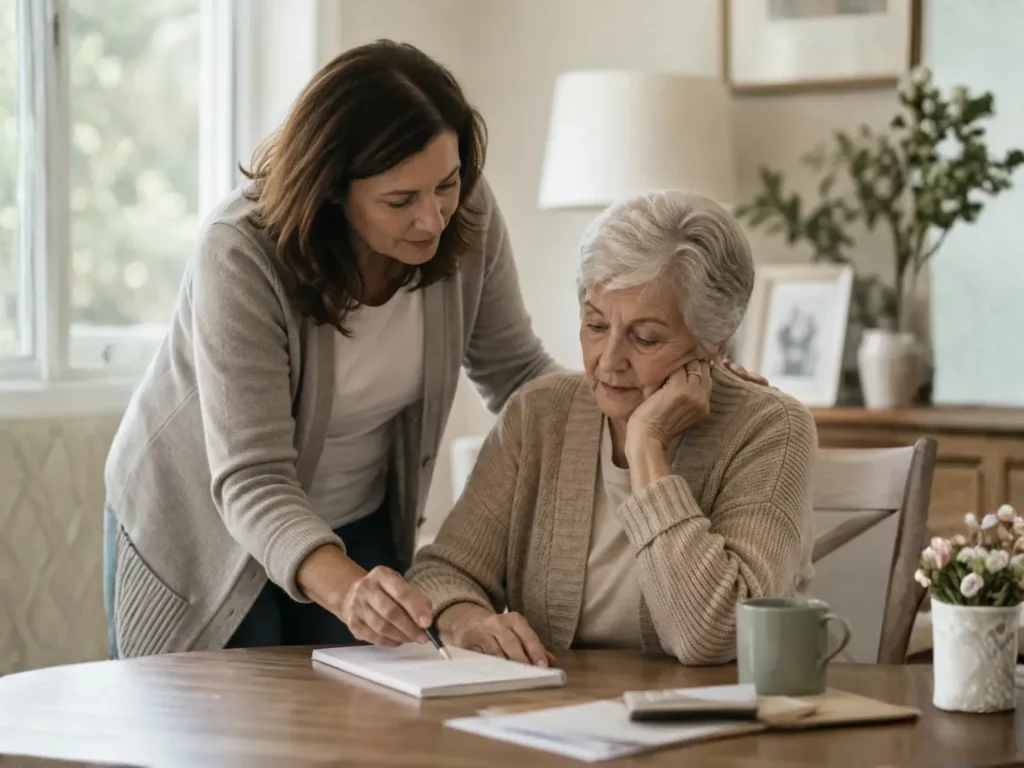
Adult daughter helping her older mother write notes while discussing future care arrangements at home.

Preparing Your Parent's Home After Hospitalization

Returning home may reveal overlooked household challenges. Review guidance on bathroom access, uneven flooring, safe movement, and everyday surroundings before discussing adjustments with your parent.

ASK CASA

Have a question about your parent?

Tell us what is going on. A member of the CASA team will reply by phone or email with guidance that fits your family.

No pressure. Just a place to start.

THE CASA WEEKLY

Be ready before you need to be

Practical guidance to help you spot changes earlier, ask better questions, and make more informed decisions as your loved one ages at home.

find resources near you